

Bill 60 Is Now in Effect: 3 Key Changes Landlords and Tenants Need to Know

Bill 60 is now in effect, and for landlords and tenants, the biggest risk is carrying on as if nothing has changed.
Residential tenancy rules are already detail-heavy. One missed form, one late response, or one poorly documented repair can turn a simple issue into a costly dispute. Bill 60 adds another layer to that reality. The practical takeaway is simple: notices, records, and follow-through now matter more than ever.
Because residential tenancy law is handled provincially, always confirm the exact rules, forms, and deadlines that apply where the rental unit is located. This post is general information, not legal advice. Still, the three changes below are the ones most likely to affect day-to-day decisions for both landlords and tenants.
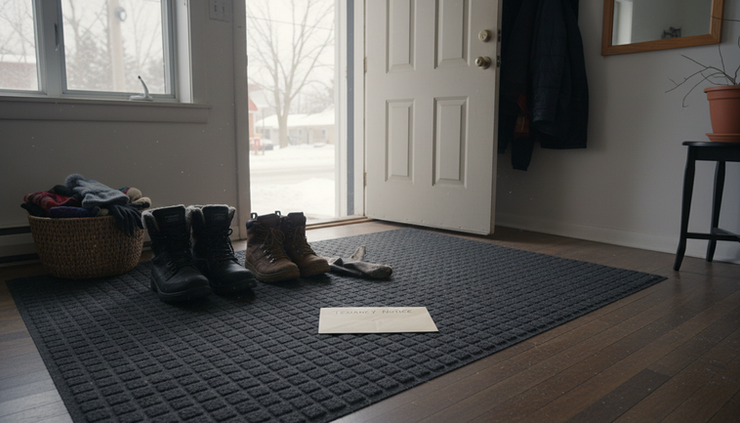
1. Notices and timelines now need closer attention
The first major impact of Bill 60 is procedural. That may sound dry, but procedure is where many landlord and tenant disputes are won or lost.
For landlords, this means old templates, informal emails, and “the way we have always done it” are risky. If a notice is required, it should use the current form and follow the correct delivery rules. The reason for the notice should be clear. The dates should be accurate. Any supporting details should match what the landlord can prove later.
For tenants, the key issue is response time. A notice does not always mean the tenant must leave or that the landlord is automatically right. It does mean the clock may be running. If there is a deadline to dispute, request a hearing, correct an issue, or provide information, missing that deadline can seriously reduce the tenant’s options.
A few examples show why this matters:
A rent-related notice may require action by a specific date.
A notice about alleged tenant behaviour may need evidence from both sides.
A notice to end tenancy may be invalid if it uses the wrong form or lacks required details.
A tenant who waits too long to respond may lose the chance to challenge it.
The practical rule for both sides is the same: read every notice from top to bottom the day it arrives.
Landlords should keep proof of service, copies of all forms, and dated records of communication. Tenants should keep the envelope, take photos of posted notices, save emails, and write down when and how they received anything related to the tenancy.
When a dispute reaches a tribunal or board, memory rarely carries much weight. Documents do.
2. Documentation is now more important in repairs, complaints, and access
The second major change is about proof. Bill 60 makes it even more important for both parties to show what happened, when it happened, and what they did about it.
In a rental relationship, the same issue often looks different from each side.
A tenant may say, “I reported the leak three times and nothing happened.”
A landlord may say, “I tried to arrange repairs, but the tenant would not provide access.”
Without records, both sides are left arguing over details. With records, the timeline becomes clearer.

For landlords, good documentation should include:
Maintenance requests received from the tenant
Dates when contractors were contacted
Proposed entry times for inspection or repair
Photos before and after work, where appropriate
Receipts, invoices, and completion notes
For tenants, good documentation should include:
The date the issue started
How and when the landlord was notified
Photos or videos showing the problem
Any impact on use of the rental unit
Follow-up messages if nothing changes
This does not mean every issue needs to become a formal dispute. In fact, better records often prevent disputes. A landlord who can show prompt repair attempts may avoid claims of neglect. A tenant who can show repeated unanswered requests may have a stronger case if the issue continues.
Access to the unit is another area where documentation matters. Landlords generally need to follow proper notice rules before entering, except in emergencies. Tenants need to allow lawful access when notice is properly given. Bill 60 makes it harder for either side to rely on vague statements like “I told them” or “they never responded.”
A dated message, a clear entry notice, and a written repair plan can save both sides time, stress, and money.
3. Bad faith and non-compliance carry bigger practical risks
The third key change is the one both landlords and tenants should take most seriously: the consequences of bad faith and non-compliance are harder to ignore.
For landlords, this is especially relevant when ending a tenancy for reasons such as personal use, renovations, demolition, sale-related issues, or other permitted grounds. If the law requires a specific reason, the landlord should be ready to prove that reason is genuine.
That means landlords should avoid using a legal notice as a shortcut to remove a tenant, raise rent beyond permitted limits, or re-rent at a higher rate. If a landlord gives a notice for one reason and then acts in a way that suggests another motive, the risk of a bad-faith claim increases.
For tenants, non-compliance can also have serious effects. Repeated late rent, interference with other residents, damage, refusal of lawful access, or ignoring tribunal orders can all build a record. Even where tenants have strong rights, those rights work best when paired with steady communication and good evidence.

The practical effect is that both sides should make decisions as if a neutral decision-maker may review them later.
Before taking action, landlords should ask:
Is this reason allowed under the law?
Am I using the correct form?
Can I prove the facts behind the notice?
Have I followed the required timeline?
Do my later actions match the reason I gave?
Tenants should ask:
Did I respond before the deadline?
Have I kept proof of payment or communication?
Can I show the condition of the unit?
Did I give the landlord a fair chance to fix the issue?
Am I following any order or agreement already in place?
The goal is not to make every rental relationship feel legalistic. The goal is to reduce surprises. When people understand the rules and keep proper records, there is less room for confusion and less damage when conflict happens.
What landlords should do now
Landlords should review their forms, notices, lease procedures, and repair process right away. If a property manager handles the rental, confirm they are using updated documents and current procedures.
A simple compliance check should include:
Current notice forms
Clear rent ledgers
Written maintenance tracking
Entry notice procedures
Move-in and move-out inspection records
A file for each tenancy
Even small landlords with one rental unit should treat paperwork seriously. A casual approach can become expensive if a dispute develops.
What tenants should do now
Tenants should get organized before there is a problem. That means saving the lease, receipts, rent payment records, notices, inspection reports, and repair messages in one place.
If a notice arrives, do not ignore it. Read it carefully, check the deadline, and get advice from the appropriate tenant support service, legal clinic, or tribunal information line if needed.

Tenants should also report problems in writing whenever possible. A phone call can be useful, but a follow-up text or email creates a record. Keep the message short, factual, and dated.
The main takeaway
Bill 60 changes the practical balance for landlords and tenants by putting more weight on proper notices, clear records, and honest follow-through.
Landlords should not rely on old forms or informal habits. Tenants should not ignore notices or wait until a deadline has passed. Both sides should keep records, communicate in writing, and check the rules before making major decisions.
The safest approach is simple: act early, document everything, and make sure each step matches the law that now applies.


Comments